 6 km
6 km 


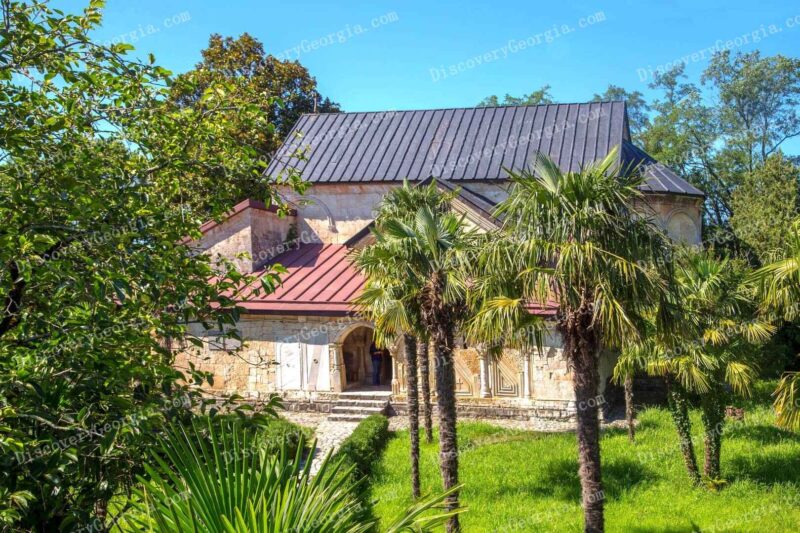





The Dadiani Palaces History and Architecture Museum, which holds an eminent place in the South Caucasus, is situated in the town of Zugdidi (in the north-west of western Georgia, on the Colchis Plain, 33 km from the Black Sea, and 110 m above sea level). The museum’s roots trace back to the 1840s, when the Mingrelian Prince David Dadiani founded a collection at his own palace, showcasing archaeological findings from the ancient city of Nokalakevi, ethnographic materials, European medieval arms, and his personal art collection.
Later, in 1921, on the initiative of the Revolutionary Committee and Akaki Chanturia (a member of the British Royal Academy), the Samegrelo History Museum was established within the former Dadiani palaces, building upon the treasury and ecclesiastical antiquities of the Princes of Samegrelo.
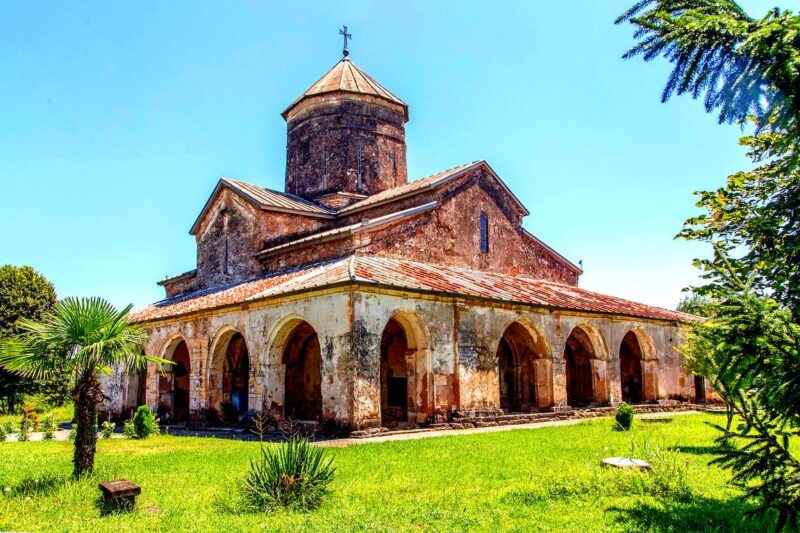
Nowadays, the Dadiani Palaces History and Architecture Museum consists of two palaces (with a total area of about 4,300), the Blachernae Virgin Church, and a botanical garden. Among the exhibits housed in the museum are unique specimens of Georgia’s national cultural heritage, including the Tagilon Treasure from the first millennium B.C. and the Bronze Age.
The museum also houses significant Christian relics, most notably the Shroud (vesture) of St. Mary, brought to Georgia in 1453. Other sacred items include the icon of Queen Bordokhan (mother of Queen Tamar), 12th–13th-century artifacts belonging to Georgian Kings and Princes, medieval manuscripts (13th–14th centuries), miniatures, and memorial relics of the Dadiani dynasty. Additionally, the museum preserves items connected to the French Emperor Napoleon Bonaparte, including his personal 6,000-volume library and personal effects, as well as an extensive collection of paintings, graphic art, and engravings. These Napoleonic artifacts were added to the collection following the marriage of David Dadiani’s daughter to Prince Achille Murat, a grandson of Napoleon’s sister, Caroline.