 29 km
29 km 


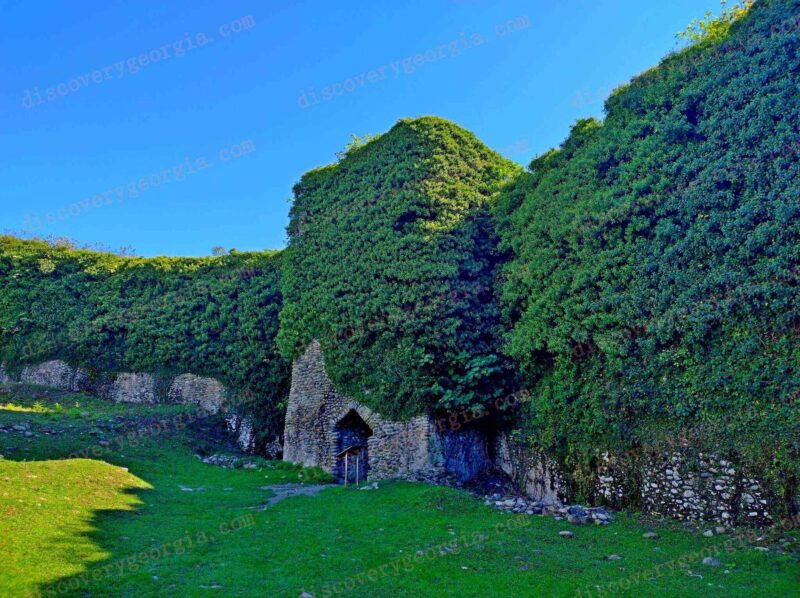
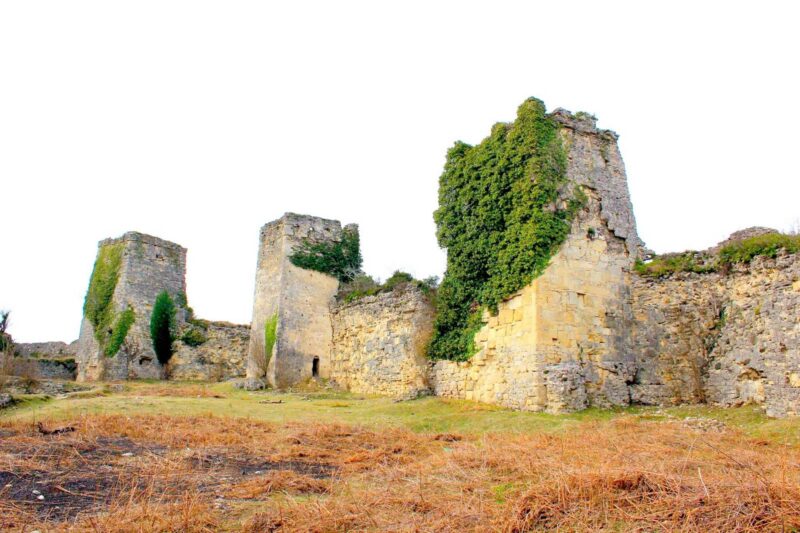
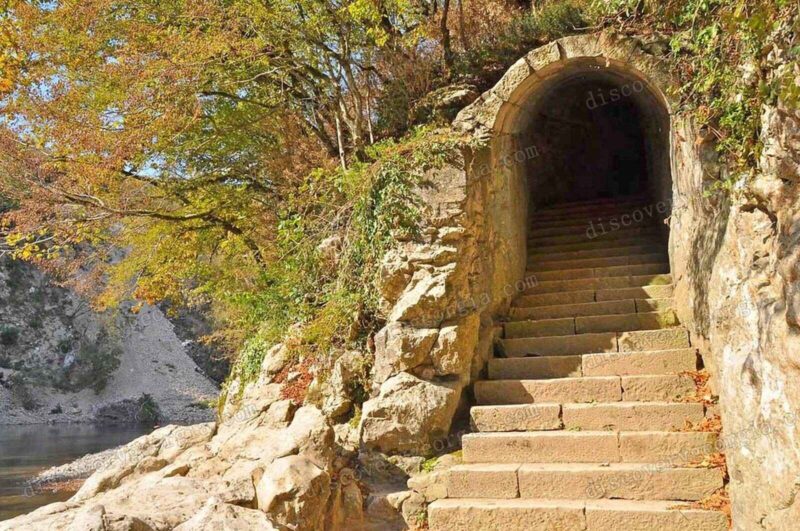
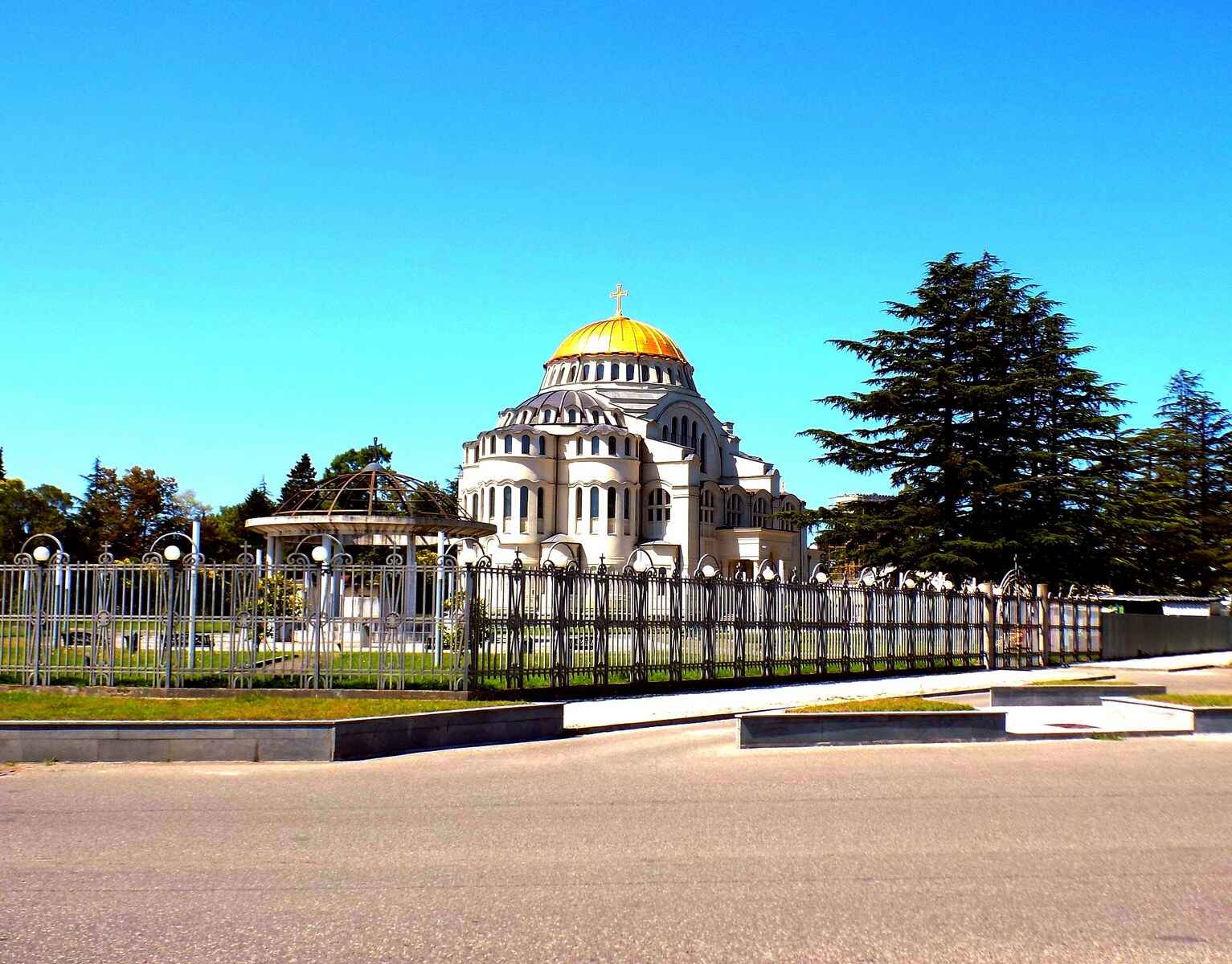


Poti Cathedral – The Guria-Samegrelo eparchy church was established in Poti during the 19th century. The military governor of Kutaisi established a committee for the building of a Cathedral on June 17th 1895 with the permission of the Russian Commander.
Initially, the church was intended to be built in a traditional Georgian architectural style, but the Russian government rejected the project. Consequently, architects Zelenko and Marfeldi had to submit a new design. Despite these restrictions, the self-government of Poti, led by Mayor Niko Nikoladze, played a crucial role in ensuring the cathedral retained its national identity; its intricate ornaments and bas-reliefs were inspired by Georgian monasteries found in the mountains of Georgia and Trebizond. According to that proposal, it was intended for the church to be a small version of the Hagia Sophia Church in Constantinople with enough room for 2000 parishioners.
On the North side of the church icons were made in the Greek-Byzantine style; the South side icons were in a Georgian-Byzantine style, and the central side icons were in a Russian-Byzantine style. Saint Nino, Saint Andrew the First-Called, and Saint David the Builder were featured amongst these icons.
In 1932 the communist governors of Poti turned the church into a theatre. It was given back to the patriarchy in 2005 and it has now returned to its original function.