 3 km
3 km 

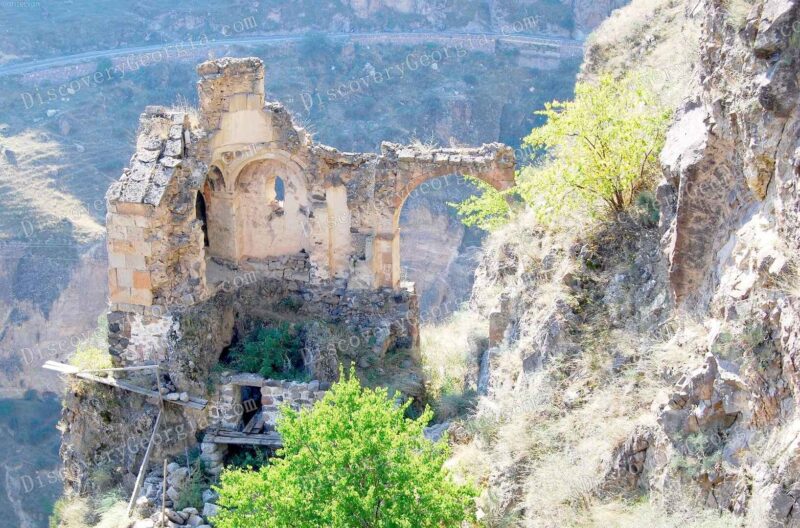

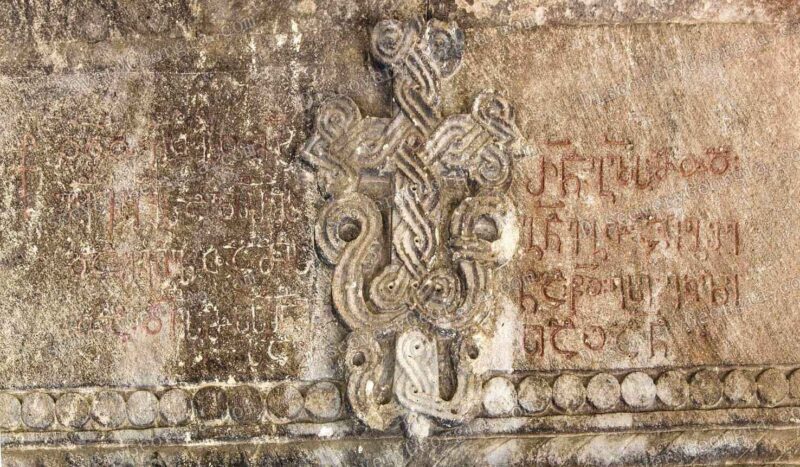


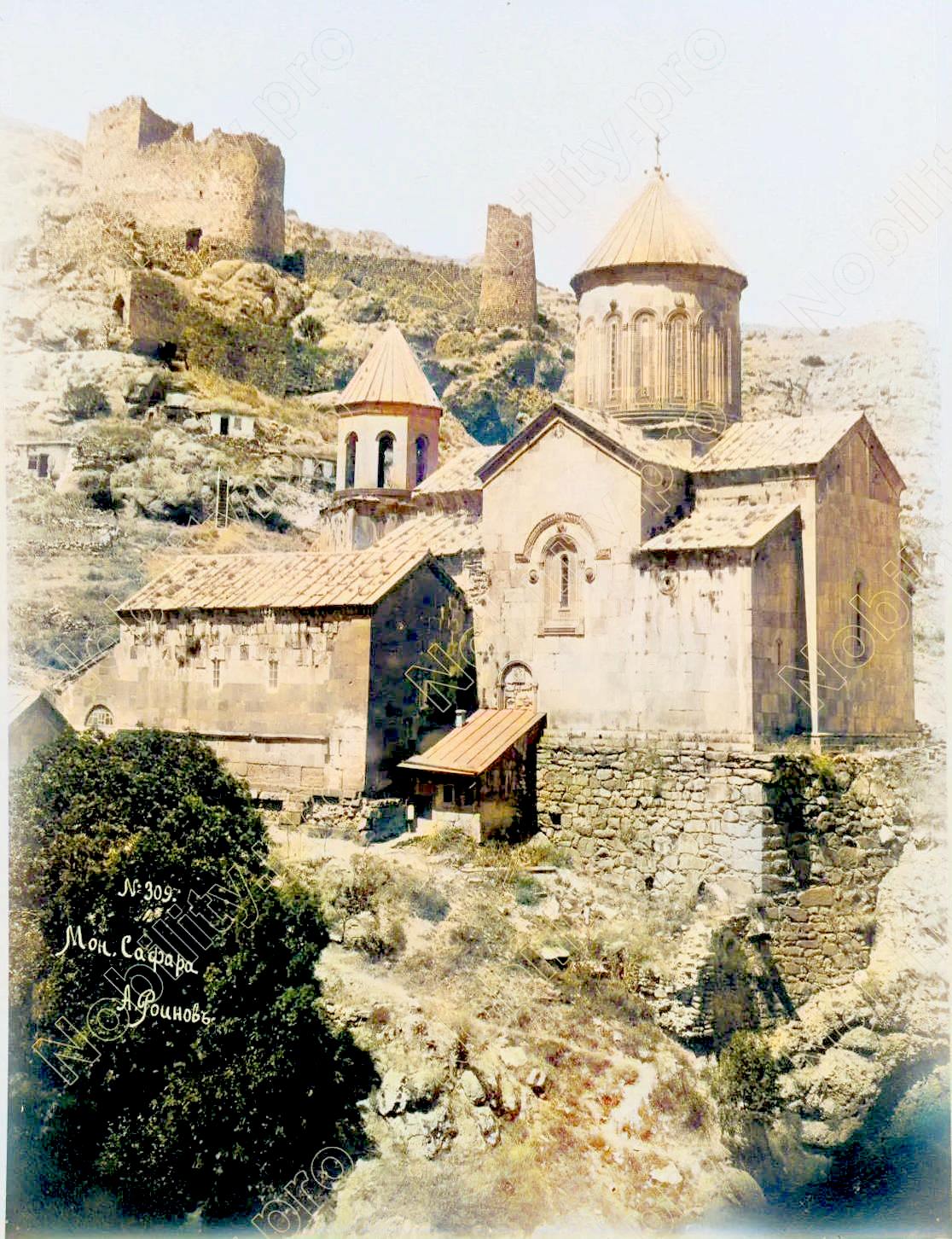



Saro Monastery of the Archangel is a historical monument dating from the 7th–8th centuries, located in the village of Saro in the Aspindza municipality, perched on the edge of a steep cliff overlooking the Mtkvari (Kura) River valley. This two-nave monastery sits at 1,432 meters above sea level and, with its original architecture, is a clear example of ancient architectural traditions. Today it functions as an active convent (women’s monastery).
Architectural Features
The monastery is a substantial structure with additional spaces on all sides — south, west, and north. Tuff and basalt stone were used in its construction. The entrance to the monastery is from the west. An arched decoration is carved on the architrave stone above the door, while at the center of the western wall, beneath the roof covering, a flattened cross is depicted. A particularly notable historical detail is the old wooden west door, fitted with a unique wooden lock that uses a wooden key.
The Interior of the Monastery
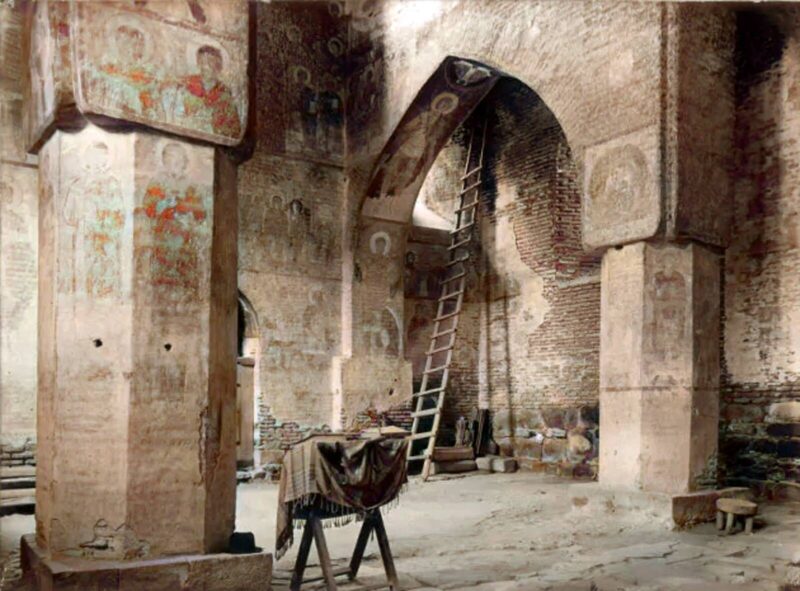
What distinguishes the Saro Archangel Monastery from many other monasteries is that it has three altars — a feature found in only a few monasteries in Georgia. (According to tradition, it was built by three brothers, each of whom had a different priest, so that they could each conduct services separately.) To the left of the main altar is an inscription written in black paint (11th–12th centuries), while on the south wall, on plaster, there is an unfinished inscription that was carved (10th–11th centuries).
19th-Century Restoration and Changes
In the 19th century, the monastery underwent significant changes: the open arches on the south side were walled up, the windows were enlarged, and a tall bell tower with a stone roof was erected on the west side. The exterior walls were whitewashed with lime, and inside, a vaulted ceiling was repaired. Today the monastery has been preserved in this same form, with a two-pitched tiled roof.
Courtyard and Surroundings
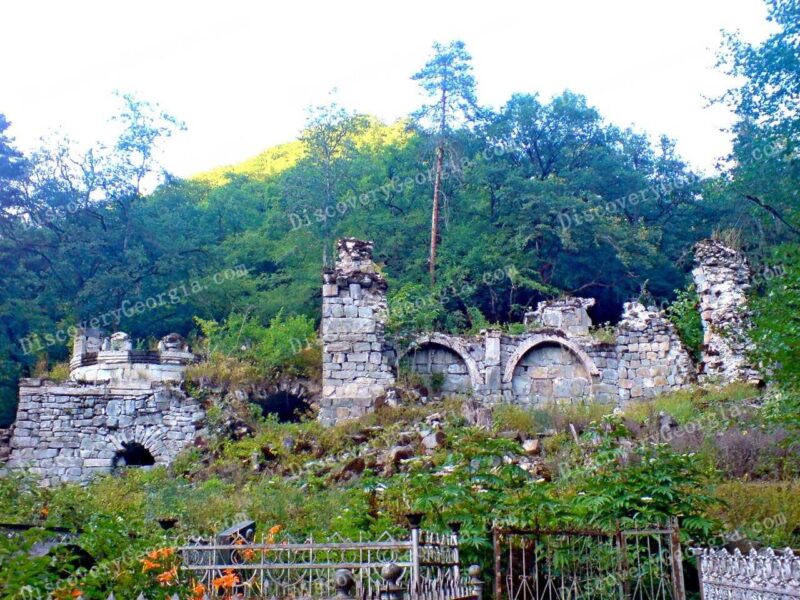
To the east of the monastery’s courtyard is a now-disused old cemetery, where, alongside the remains of a hall-type (darbazi) church, numerous interesting examples of stonemasonry, epitaphs, and gravestones of various shapes and ornamentation have been preserved.