 18 km
18 km 


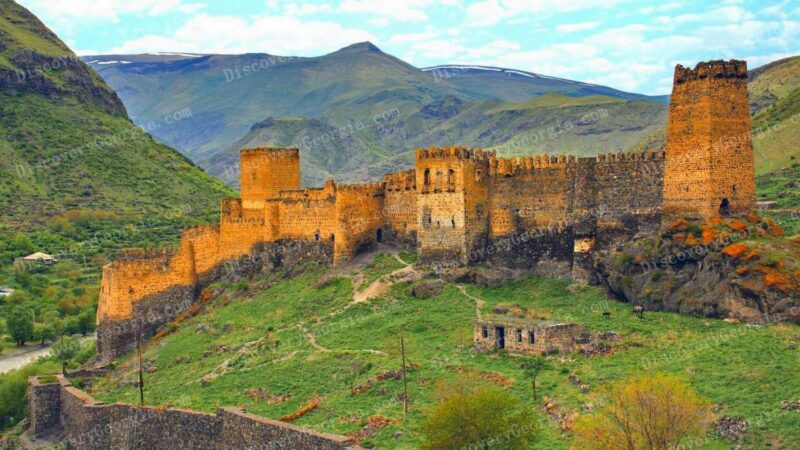

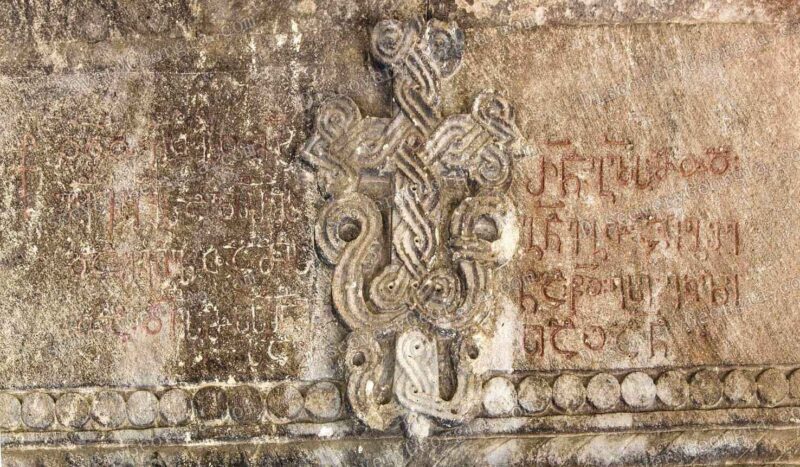


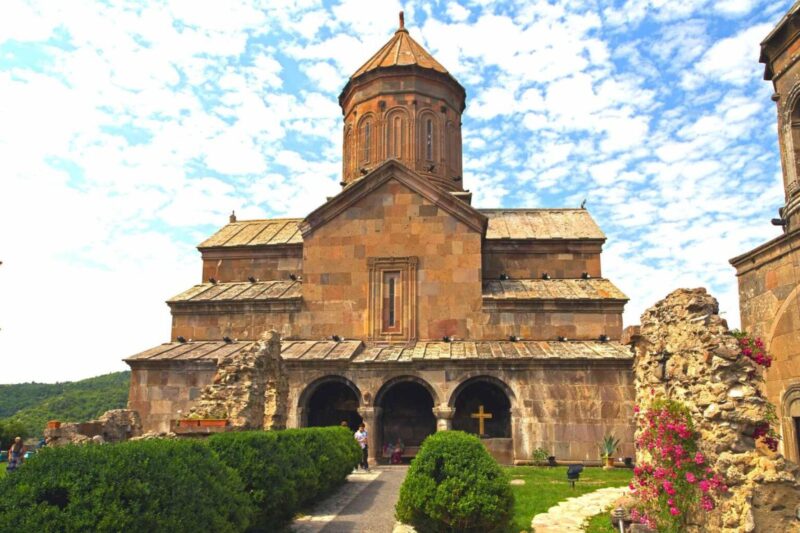
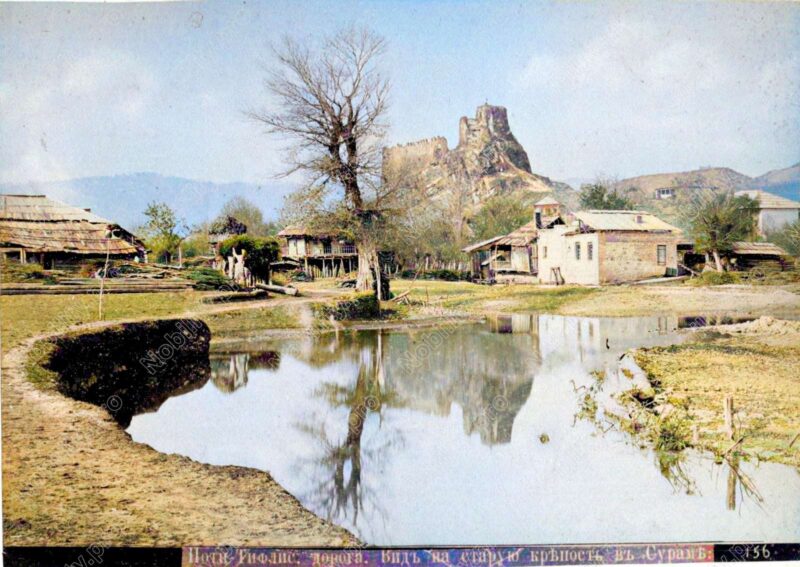
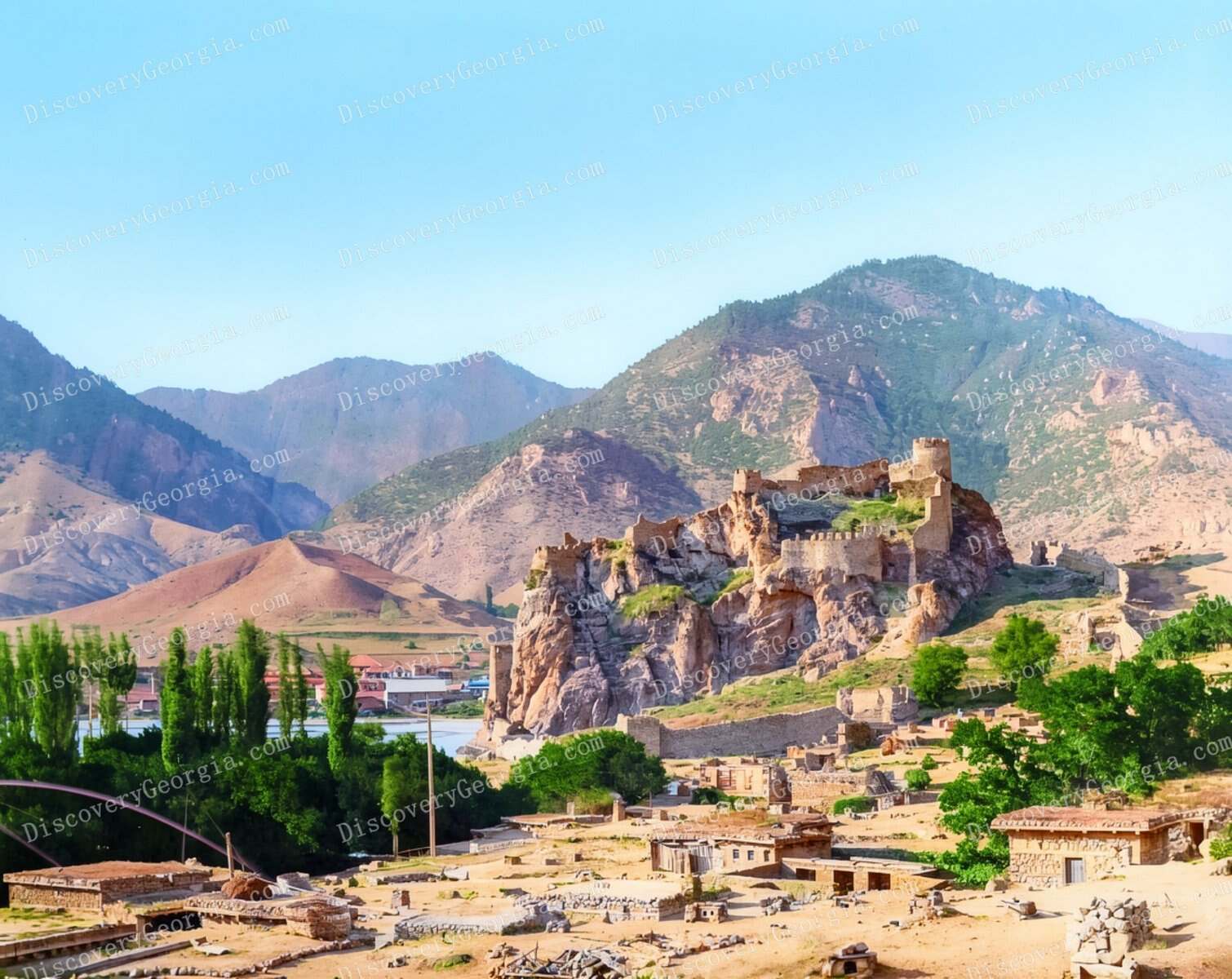
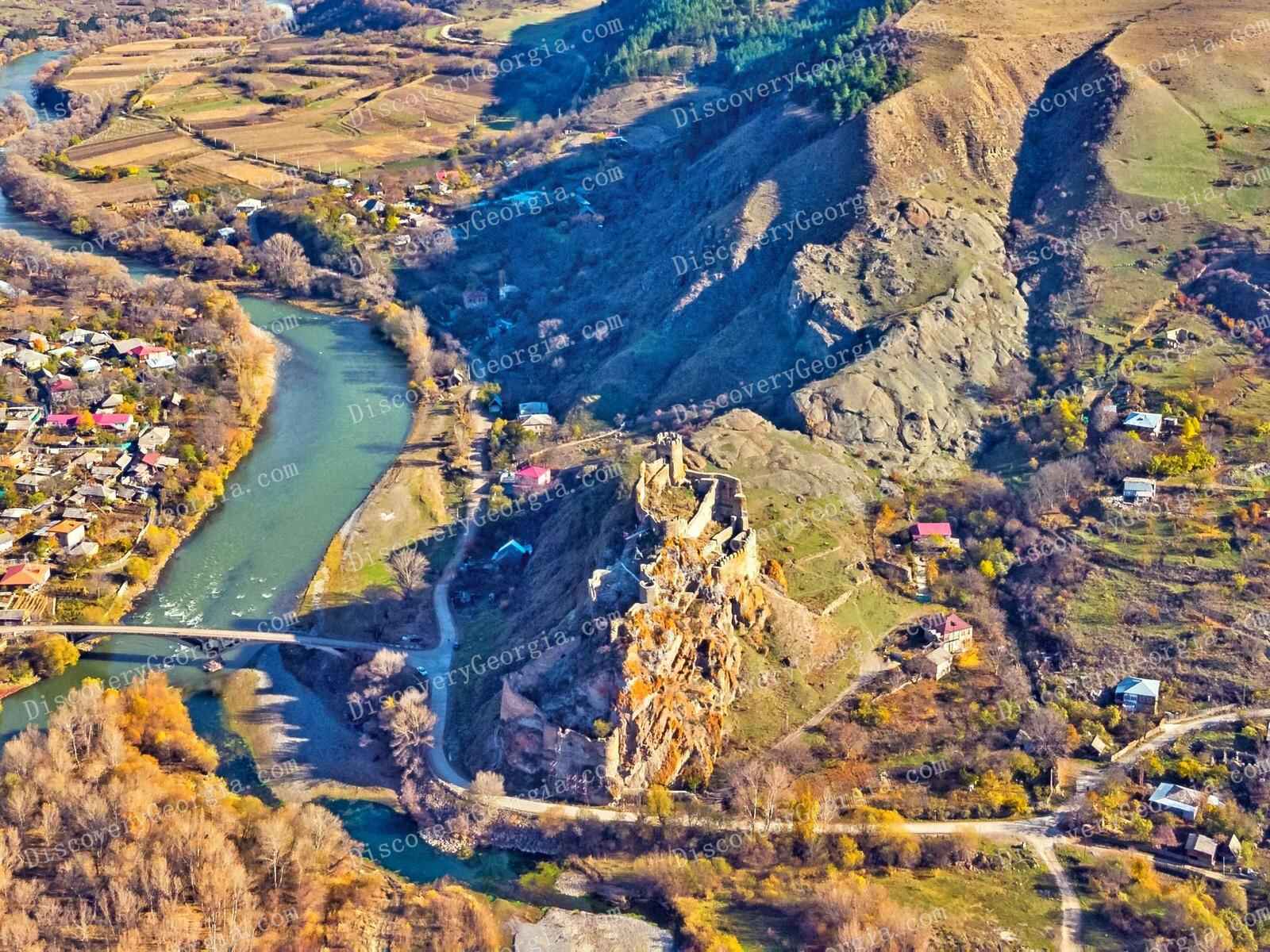
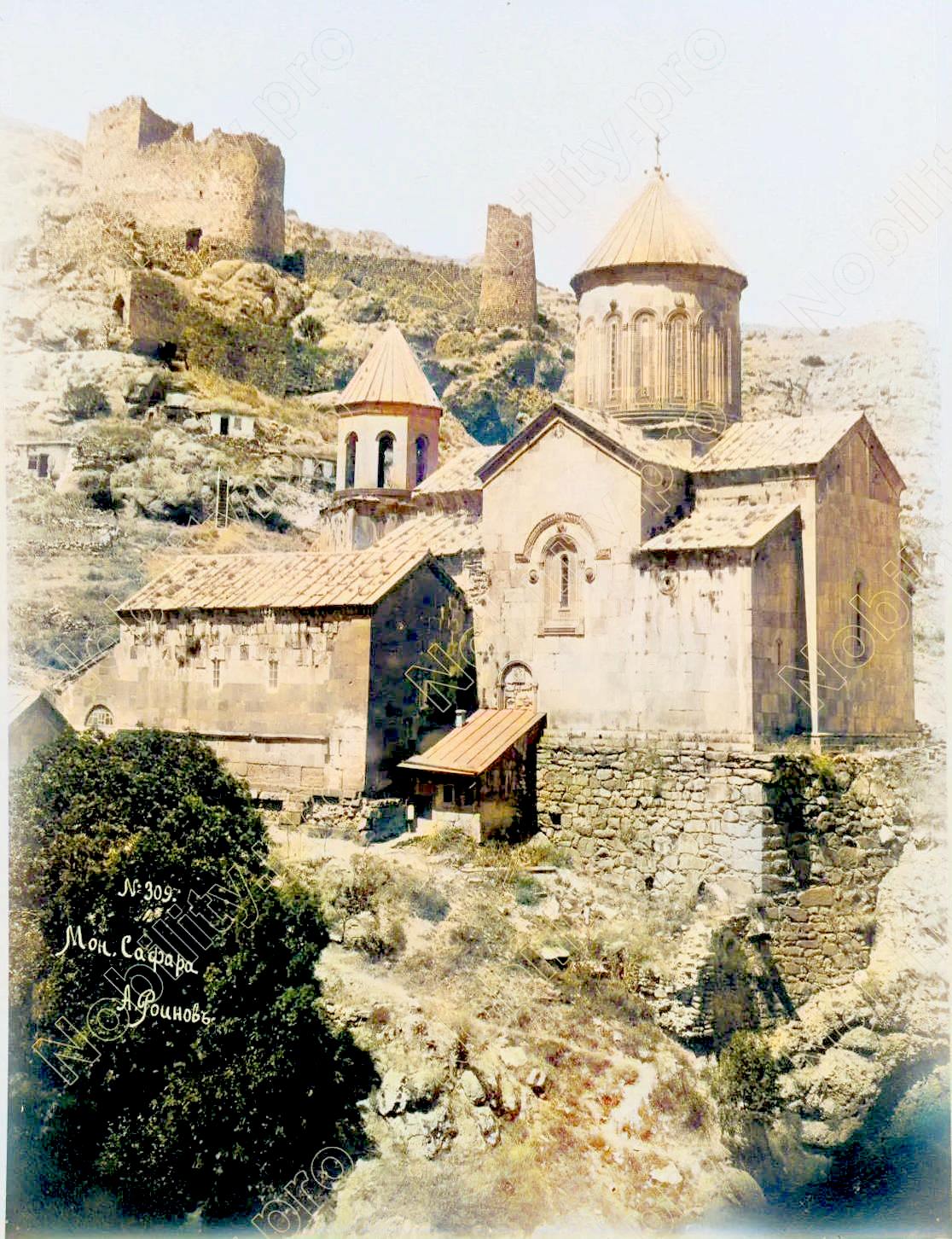
Atskuri Fortress belongs to the oldest period of Georgian history. On the southern slope of the rock where the fortress was built, there are remains of ancient dwellings. In historical sources, the fortress is first mentioned in the 11th century as one of the most important strategic sites in historical Meskheti.
The extant remains of the fortress date back to the Middle Ages. The builders mastered the challenging relief of the rocks and created a complex structure. The entrance to the fortress passes through a narrow, carved rock tunnel. The internal layout was so inaccessible that it was difficult for an invading enemy to conquer, even after passing through the tunnel.
The fortress complex included side towers, residential quarters, and a church.
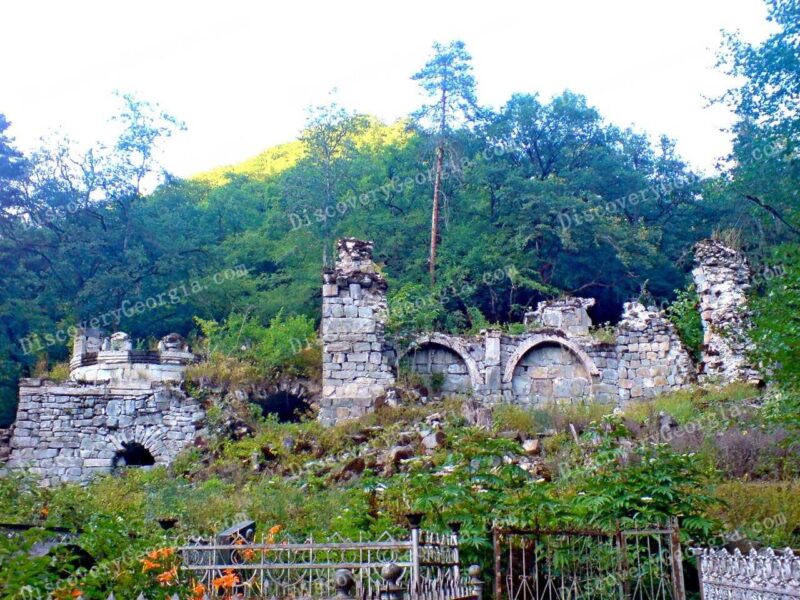
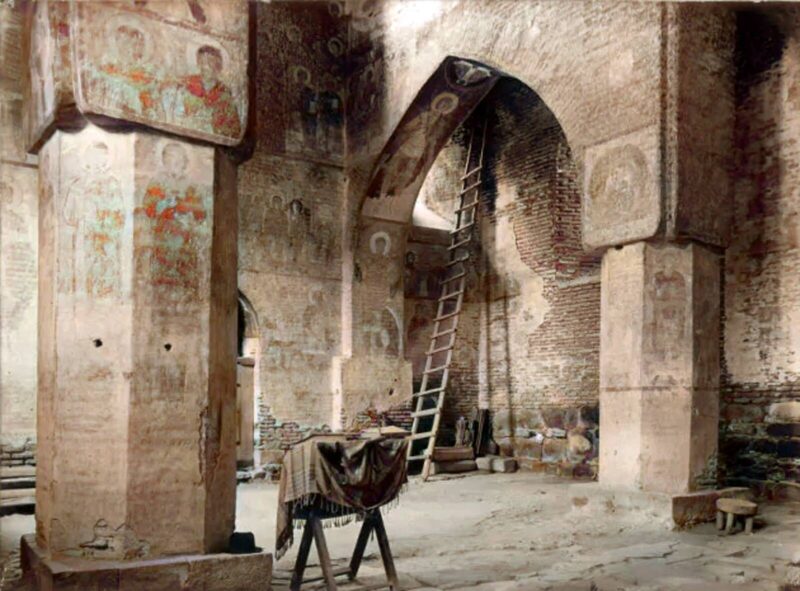
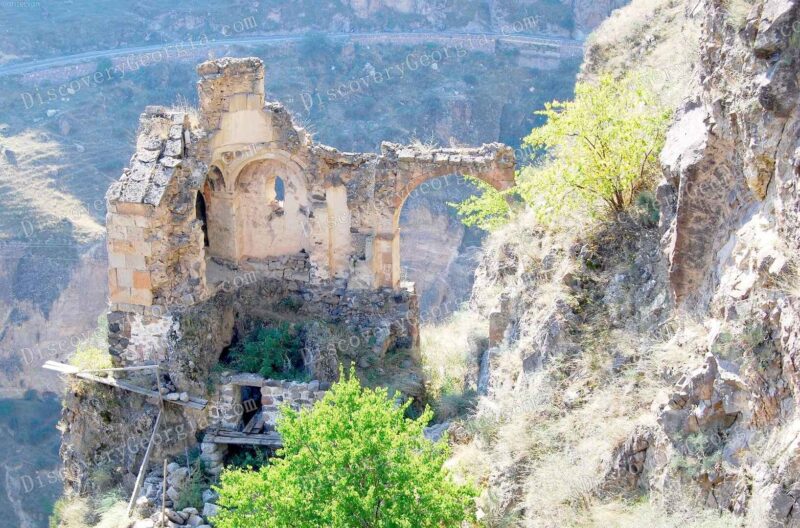
The surroundings of Atskuri Fortress are rich in material cultural monuments. Particular attention should be paid to the Atskuri Cathedral, which has reached us only in ruins. In the 13th century, the cathedral was destroyed by a powerful earthquake. Although the Georgians restored it, it was subsequently destroyed by the Ottomans.
Atskuri served as an episcopal seat; the Bishop of Atskuri was one of the most important hierarchs of the country and wielded great influence at the court of the Georgian kings.
In the 16th century, the fortress was captured by the Ottomans, and Atskuri became a springboard from which the Turks attacked eastern and western Georgia.
At present, the unity of the fortress buildings is destroyed. Here, one may see building layers of different times.