 6 km
6 km 
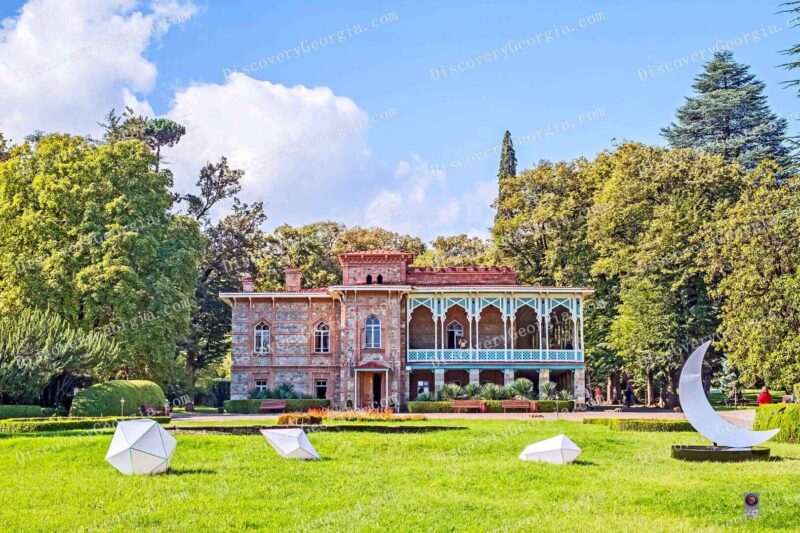






Official name of the museum is Giorgi Chubinashvili Telavi State Museum of History and Ethnography. Collections of the museum are:
Archaeological Collection
Archaeological fund, established in 1986, is one of the museum’s oldest and richest collections, comprising over 6,000 artifacts. It features Stone Age finds and a major collection of Bronze Age exhibits from regional excavations—such as ancient pottery (sasmisi, kochobi, kotani), weaponry, and jewelry. The collection also includes rich numismatic material and extensive artifacts from the feudal period recovered from local excavations.
Icons and Religious Objects
Museum houses a significant collection of icons dating from the 18th to 19th centuries, representing both Georgian and Russian iconographic traditions (crafted on wood with oil and gold). In addition to icons, the collection features rare religious textiles and ritual objects—such as gold-embroidered bishop’s vestments (chasubles), epitaphios, church flags, and mitres—many of which were preserved and rescued from churches during the early Soviet period.
Collection of Military Equipment
Museum’s armament collection features a diverse array of battle and parade weapons, ranging from standard gear to richly decorated pieces adorned with gold and silver. It primarily comprises Georgian and Caucasian arms—such as helmets, armor, shields, and daggers, including the renowned Gorda sword—alongside Persian, Turkish, Russian, and European firearms and dueling pistols. The collection also holds items of profound historical significance, including a sword used in the Battle of Aspindza gifted by King Erekle II to his father-in-law, Katsia Dadiani, as well as the swords of national heroes Dzaglika Khimikauri and Diloidze.
Collection of Metalwork
Collection features high-value historical artifacts, most notably the “Magrani Treasure”—a set of 16th–to 18th-century silver vessels discovered in church ruins, including a goblet bearing the name of King Aleksandre II of Kakheti. It also houses around 1,500 Georgian, Persian, and Lezgin copper and brass domestic vessels (such as lamps, ornate bowls, trays, kuriani and tangira boilers, and samovars) used by various social classes. Additionally, the collection preserves fine examples of local handicraft and silversmithing, including silver-gilded belts, buckles, and necklaces.
Collection of Textiles and Costumes
Textile collection features handmade carpets, rugs (maprashas), saddlebags, and traditional household items that recreate authentic historical interiors. The national costume section highlights traditional attire and accessories from East Georgian mountainous regions (Khevsureti, Tusheti, and Pshavi), adorned with silver, coral, turquoise, and mother-of-pearl. It also preserves handmade linen chokhas and 19th-century women’s dresses decorated with lace and embroidery. Notable highlights include exquisite Kakhetian (Telavian) lace work, gold- and silk-embroidered lechakis (traditional head coverings), waistbands, and accessories crafted by local artisans.
Applied Art Collection
Alongside European applied arts, the museum houses an extensive collection of local woodcraft and woodcarvings, reflecting Telavi’s rich woodworking traditions. Highlights include works by renowned regional craftsmen such as Ioseb Davitashvili, G. Sapharov, and Shakro Gojinashvili.
The collection also documents Telavi’s historical guild system, where artisans were organized into distinct guild quarters (“Craftsmen’s Gardens”) headed by an ustabashi (guild master). These organized guilds encompassed various trades—including vintners (siraji), saddlers (saraji), tanners (dabagi), and shoemakers (kharazi)—whose social life and gatherings are prominently preserved in the museum’s photographic archive.
Musical Instruments Collection
Collection features a select group of traditional and historical instruments, including a 19th-century European street organ and traditional Georgian folk instruments. Notable items include a 19th-century chianuri (traditional string instrument) and a unique combined fandur-chonguri crafted in the 20th century by Telavi instrument maker Ph. Makhatelashvili.
Collection of Ceramics and Porcelain
Collection highlights regional pottery traditions, featuring domestic and viticulture-related ceramics—such as traditional Georgian wine jars and pitchers—alongside exquisite 17th-to-20th-century European and Russian porcelain objects that once adorned aristocratic palaces.
A prominent highlight is the ceramic collection donated in 1987 by artist Nana Botkoveli. Rooted in traditional folk art, her works (solemn bowls, decorative vases, and wine jugs) revive ancient Georgian symbols—such as the Sun, the Golden Fleece, and the Tree of Life—as well as motifs from Georgian frescoes, earning high praise from art historians for their sophisticated form and glaze colors.
Manuscript Fund and Library
Manuscript collection includes over 100 books dating from the 17th to 19th centuries and more than 1,000 documents. Key highlights include a miniature Gospel, the Statutes of the Apostles, an illustrated Visramiani (1720s–1730s), Davrishiani, and valuable legal and economic documents alongside personal archives of public figures.
The rare book fund preserves early Georgian printed publications, notably works from King Vakhtang VI’s printing house, the renowned Bible of Bakari printed in Erekle II’s renewed printing press in 1749, and liturgical texts published by Zurab and Grigol Tsereteli. Additionally, the museum houses a scientific library featuring specialized literature and periodicals on the history and economic development of Kakheti.
Photography Collection
Comprising up to 9,000 items, the photography collection features works by renowned Georgian and foreign photographers, travelers, and visitors—such as Alexander and Vasil Roinashvili, Dmitri Ermakov, and others. The collection vividly documents the cultural and daily life of Telavi, capturing landscapes, historic buildings, public figures, craftspeople, and traditional gatherings.
The formation of this rich archive was significantly shaped by museum director Aleksandre Mamulashvili (1935–1949), whose photographs capture the everyday traditions of the Kakhetian population across mountains and valleys. The collection was further expanded in 1969 through a major donation by local photographer A. Tor, featuring portraits of prominent public figures, artists, and writers alongside scenes of Telavi’s daily life.
Ketevan Iashvili Art Gallery
Established through the generous donation of art and antiquities by its namesake, the Ketevan Iashvili Art Gallery is a prominent cultural site within the Telavi Historical Museum.
Using her personal income, Ketevan Iashvili pursued a lifelong passion for art, beginning her collection in the 1930s with Franz Roubaud’s battle painting The Storm of the Aul of Gimry (Gimry, a village in Dagestan, not the Armenian city of Gyumri). Between 1963 and 1977, she endowed her entire collection of nearly 200 works to her hometown, earning recognition as an honorary citizen of Telavi.
Today, the gallery houses an exceptional collection of fine art and cultural artifacts:
- Paintings: 17th-to-19th-century Western European works (including pieces by Mihály Zichy, Carl Pilot, and Paul Franken); 19th-to-20th-century Russian school masterpieces (Ivan Aivazovsky, Ivan Kramskoy, Franz Rubo, and others); and foundational works of 19th-to-20th-century Georgian painting by artists such as Gigo Gabashvili, Lado Gudiashvili, Ketevan Magalashvili, and Natela Iankoshvili.
- Sculptures: Notable pieces including a white marble Venus by Jean-Antoine Houdon, bronze figures such as Shepherd Boy with Salamuri, and historical bronzes.
- Graphics and Architectural Heritage: Up to 1,000 examples of etching, linography, and xylography, alongside exquisite watercolor architectural plans of Kakhetian monuments and churches—including historical depictions of King Erekle II’s Palace and Batonis Tsikhe drawn by academician Johann Anton Güldenstädt and A. Keller.
Museum History and Overview
Telavi Local Museum was founded on November 7, 1927 under the initiative of the representatives of the Local Foundation: G. Melitauri, David Chkheidze (Turdospireli serving as the first Director of the Museum), V. Paatashvili and others.
At first the Museum was placed in the old building of Treasury, but in 1928 the Museum was forced to vacate the building and remained without permanent residence until 1935. The Museum was transformed into a public institution only in 1935 with its own budget, as Aleksandre Mamulashvili, a new Director undertook the initiative of relocating the Museum to the former Palace of King Erekle II (1744-1789); it was reconstructed and the hall was located above the East Gate of the “Batonis Tsikhe”, where the exposition hall was placed.
In 1943 the Telavi Local Museum was renamed as a Telavi Historical and Ethnographical State Museum (since 1985 the Museum was named after Giorgi Chubinashvili). Over the years along the budget increase the Museum was expanded, exposition halls were added, in 1963 a new Picture Gallery was opened (since 1980 known as Ketevan Iashvili Art Gallery) housing the collection endowed by Ketevan Iashvili.
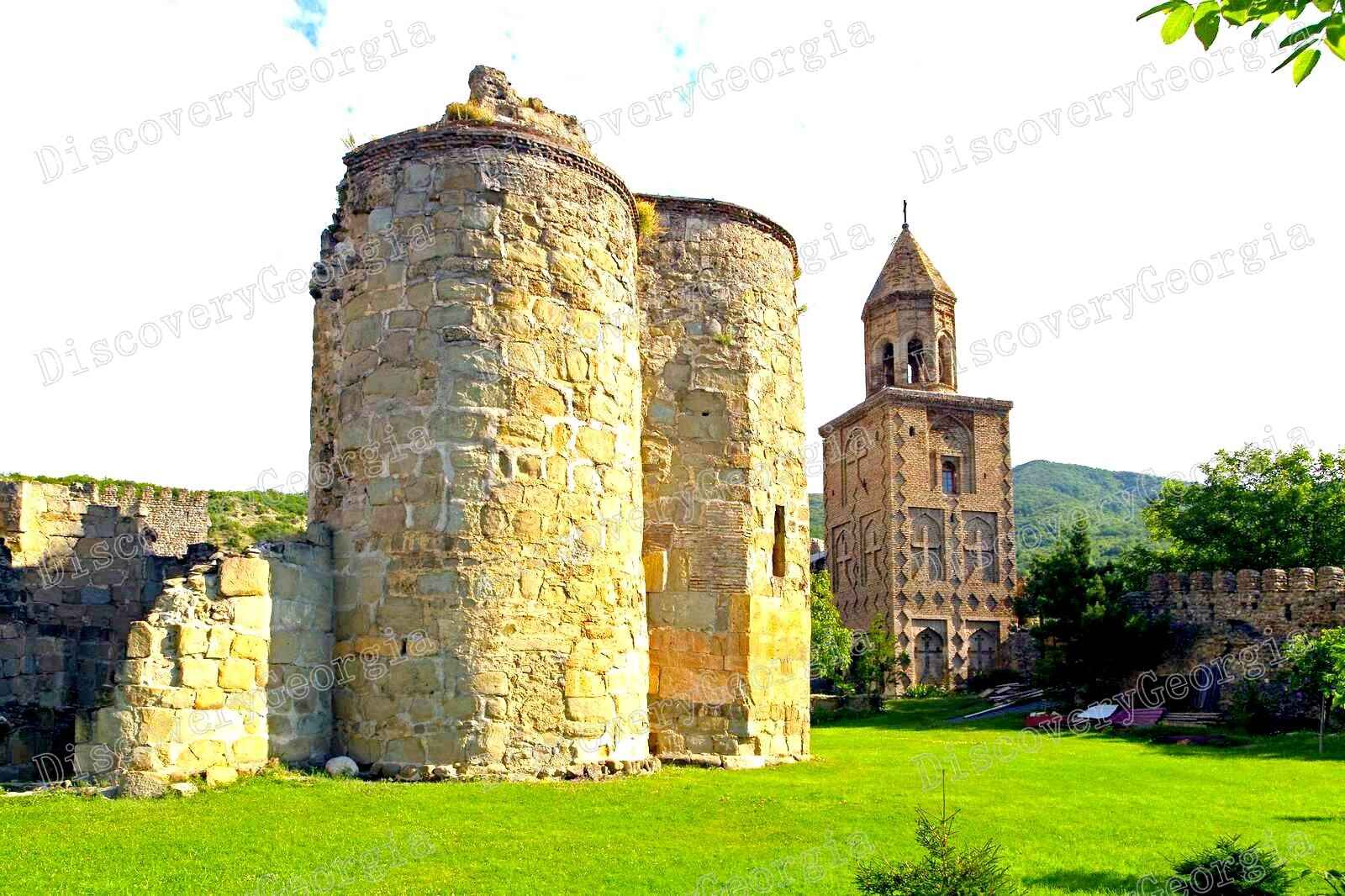
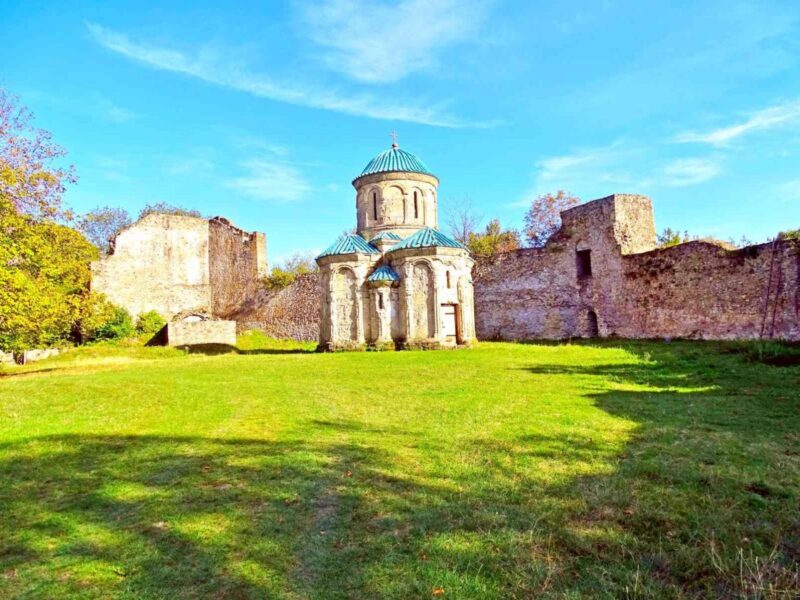
From 1983 the Museum grew larger: after the reconstruction, the Erekle II Palace regained its original shape, a new exposition was opened in the former building of St. Nino College, and the interiors of the “Ambassador’s Hall,” along with Erekle II’s office and recreation rooms, were reconstructed. The expositions were renovated and enriched with unique belongings of the Bagrationi Royal Dynasty. The “King’s Door” was adjusted, reclaiming its original shape; two churches and the king’s bath-house situated within the complex territory were reconstructed; and the towers located in and above the East Gate were restored.
Simultaneously, with the improvement of the physical infrastructure, the process of expanding the Museum’s collections intensified (through purchasing exhibits from the local population and archaeological expeditions launched within the Telavi region); consequently, the Museum’s collection increased day by day. Currently, the Museum features more than 67,000 exhibits reflecting the cultural life of the region, along with the visual art collection endowed by Ketevan Iashvili, housed in the Memorial Palace of Erekle II and the Art Gallery. Today, the museum building holds the status of an immovable monument of cultural heritage.